Avik works incredibly well with whatever inputs you can give him.

Alex Urist
Co-Founder & SVP of Marketing
XCharge North America

For B2B teams selling through sales conversations
Give the right people a reason to talk to you.
We run the outbound for you: research into who fits and what matters to them now, email and LinkedIn outreach with a reason to reply, and a qualified sales conversation coordinated with your team when a buyer is interested.
A short call about who you sell to and how new business finds you today. If it is not a fit, we say so.
Built by a Clay Cup semifinalist
About their situation, not yours
Their reply, in their words
Clients we have worked with


In under five minutes: how we decide who to contact, what makes a message worth answering, and what happens when a buyer replies.
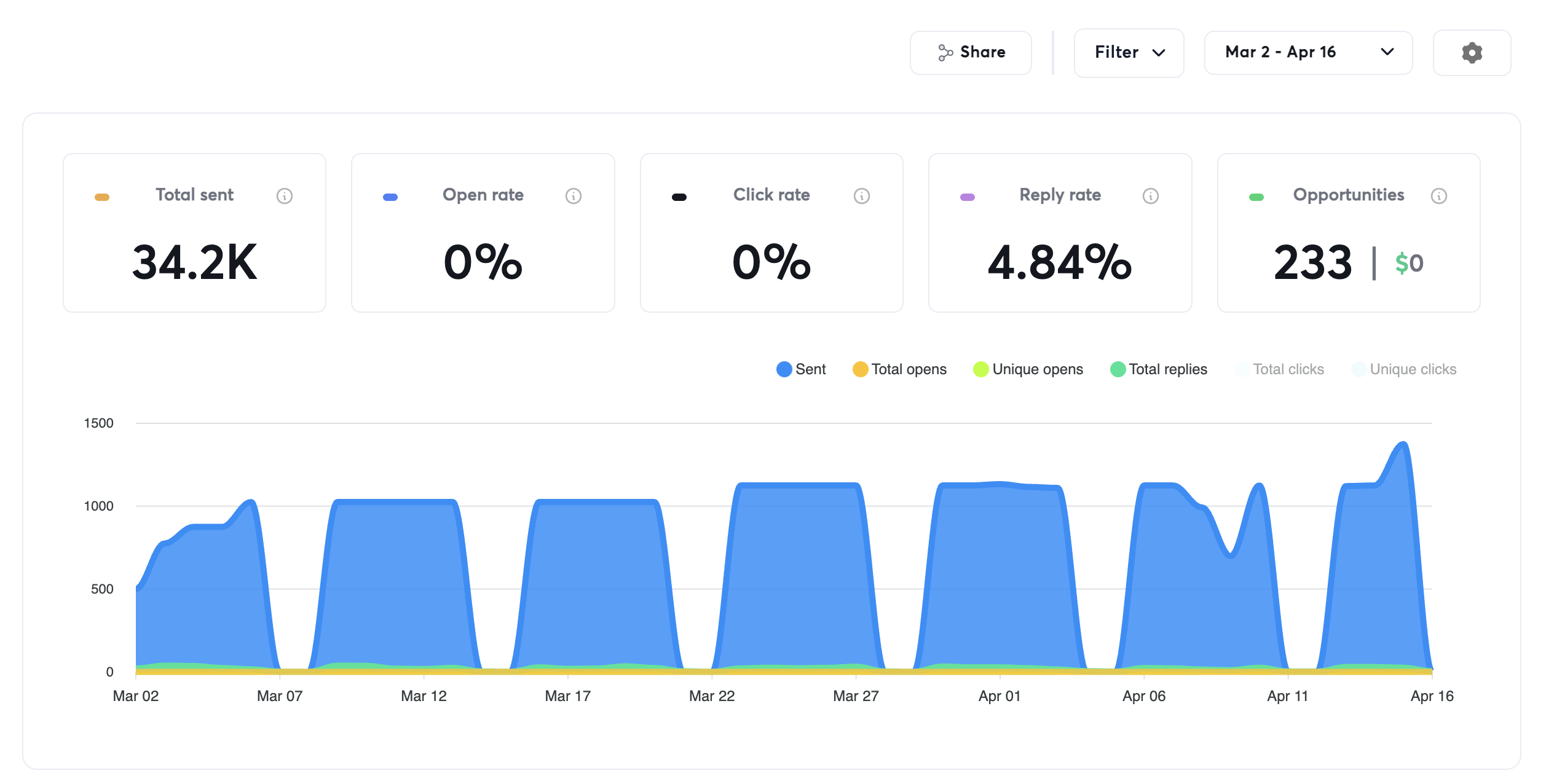
XCharge North America sells EV charging infrastructure. Researched outreach to property owners replaced one-by-one prospecting and produced the replies and campaign opportunities in this dashboard, shown with the platform’s own labels. Alex Urist describes working with Avik on video.
Avik works incredibly well with whatever inputs you can give him.
Co-Founder & SVP of Marketing
XCharge North America
Mar 2 to Apr 16
The platform’s Opportunities label. It does not establish booked meetings or revenue.
View sourceA short call about who you sell to, how new business finds you today, and what GetAttn would research and run for your buyers. If it is not a fit, we say so.
The path from a buyer who fits to a sales conversation. We run research, outreach, interested-reply handling and meeting coordination; your team takes the conversation from there.
See how outbound worksWho fits your offer, and what matters to them now
A message about their situation, on email or LinkedIn, that earns a pause
Reviewed, checked for fit, and the next step coordinated
A time proposed and coordinated with your team, with handoff notes
Your team runs discovery and closes. That part stays yours.
Referrals bring buyers who already trust you, but you cannot decide when they arrive. Outbound lets you choose who hears from you, and it works only when the buyer has a reason to read it. That is the difference below.
Passing through | | |
|---|---|---|
| Who hears from you | Anyone whose title fits a list | Buyers who fit, with a reason to care now |
| What they see first | Your product, like every other note | Their situation, then how you fit it |
| Why now | No reason; it arrives when the sequence says | A current priority or change that makes it worth their time |
| What the campaign is built on | A template and a send target | Research, business signals and messaging you approve |
| When a buyer shows interest | The reply waits with the others | Assessed, answered, and a conversation coordinated with your team if they agree |
Same channels, email and LinkedIn. The difference is whether the buyer has a reason to stop.
If outbound is running and the right buyers still are not answering, look for one of these.
The list was built from industry and title, so the offer reaches companies it was never for and people who do not own the problem. The buyers who fit are lost in the batch.
The message may be accurate, but nothing in it says why now. Without a current priority or a recent change to point to, even a good fit reads as a note for later.
A buyer writes back and the reply sits: unowned, answered late, or answered without checking fit or proposing a time. The attention that was earned cools.
Each stage below is built to fix one of these.
Three stages, one operation. Each panel follows one example buyer from research to your calendar, so you can see what the work produces before you buy it.
Who fits, and why now
We research who owns the problem your offer solves, then judge fit and timing as two separate questions.
Regional operator with several sites, opening new ones itself
Head of Operations, owns each new site opening
Two openings announced for this quarter
Qualified. Fit comes from the role and the multi-site business. The openings give a reason to reach out now; a standing priority would count too.
A message about their situation
Short outreach about the buyer’s situation, on email and LinkedIn, drafted by us and approved by you before it goes out.
Saw two new locations are planned for this quarter.
We help operations teams keep hiring, setup and launch tasks in one place.
Worth a short look before the first opening?
Approved for sending. One reason to reply, one question, nothing the research cannot support.
If they reply, a conversation
When a buyer replies with interest, we check fit, propose a time and hand the conversation to your team with context.
Timely. We start the first opening in a few weeks. Who would I talk to?
Role and situation confirmed against your criteria
Thursday afternoon, offered to your team and the buyer
Handoff note to your team: two openings this quarter, first in a few weeks, asked who to talk to. The meeting happens if the buyer agrees.
Tools behind the work


 Codex
CodexYou bring the offer, examples of good customers and a calendar, and you take the sales conversation. We own the outbound work from research to the meeting handoff.
The work keeps going after launch. As replies come in, we review who answered and why, adjust the targeting and the messaging with you, and report what was sent, who replied and which meetings were coordinated.
Inside the outbound engagement
The infrastructure behind the outreach: fit research and qualification built in Clay, timing signals for your market, and interested replies handed into your CRM with the context your team needs. Scoped as part of the engagement, not a separate build.
See how the system worksPositive repliesFacility and news research that opened conversations with two large shippers for a logistics company.
Read the case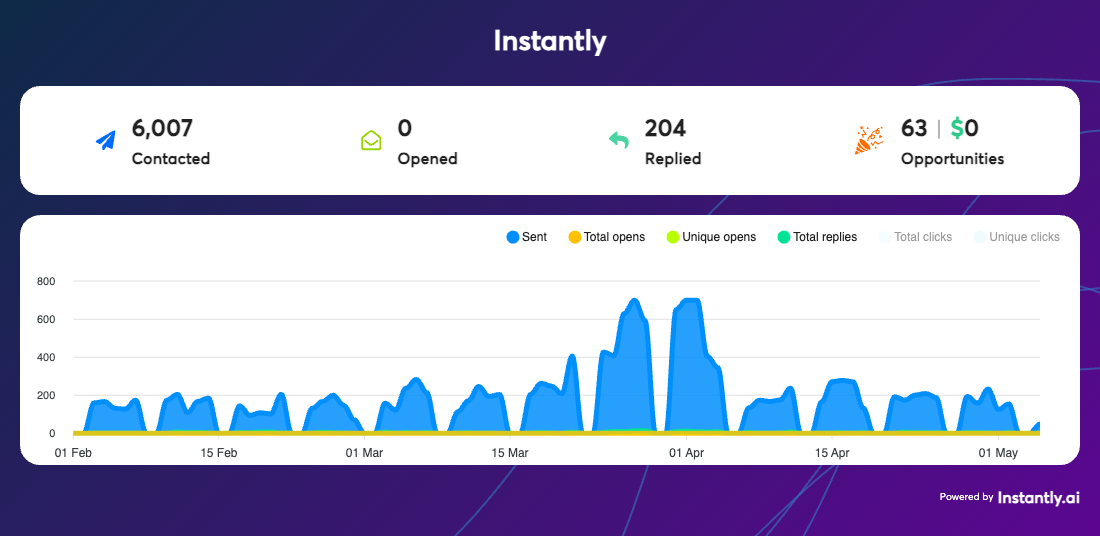
Hospitality outreach split into five segments by how properties communicate with guests.
Read the case
I started GetAttn because most outreach gives buyers nothing to respond to. I run the research, the messaging and the systems behind them, and I stay close to every client’s campaigns.
B2B teams that sell through sales conversations and want a source of new buyers they can run on purpose. That includes teams still winning most business through referrals, and teams whose outbound is not getting answered. You need a clear offer and someone ready to take a meeting when a buyer is interested. If you are still working out who you sell to, we will say so on the call.
The list, the reason to read it, and what happens to replies. We research who fits and what matters to them now, write outreach about their situation that you approve, and handle interested replies instead of leaving them in an inbox. The three failures above are the ones the work is built to remove.
Cold email and LinkedIn, scoped together before we start. The channels, the audience and the volume are agreed in writing, and we do not add channels outside that scope.
Your offer, who it is for, examples of good customers, a calendar for meetings, and approval on the target list and the campaign messaging before launch.
A short call with Avik about who you sell to, how new business finds you today, and whether outbound is the right next step. If it is, we agree the audience, the channels and the measures in writing before any research starts. If it is not, we say so on the call.
We are accountable for the outbound: what was sent, who replied, and which sales conversations were coordinated, reported separately and agreed with you as the measures before we start. A conversation counts as qualified when the buyer matches the company and role criteria we agreed and has replied with interest in the discussion we proposed. A positive reply on its own is not qualified until that check is done. Your team owns discovery and the close. When you tell us which meetings were held and what came of them, we review that alongside the outbound measures and adjust the work with you.
Research runs in Clay, and the workflows around it are ones we build with Claude Code and Codex. You approve the targeting and the messaging before anything reaches buyers, and our team handles the interested replies and the handoff. AI is how parts of the work get done, not what you are buying.
The market segments you can actually reach, where competitors leave room, the buying signals worth watching, and campaign angles with copy direction, researched for your company. Two example plans are linked at the bottom of the page.
We research and qualify buyers in Clay, and we hand interested replies into the CRM you already run with company, role and situation attached. Which CRM, which fields and who owns and supports the setup are agreed in scope before we start.
See the outbound systemGetAttn is the new name for EnrichFlow. Some case pages, the scheduler and the founder video still carry the old name while everything moves over. Same company, same founder.
Tell us your work email and we research your market and put the plan together for your company. Two examples below show exactly what one looks like.
Two example plans
Two example plans, researched on Rippling and Toast to show what the format contains.